Image Credit: Associated Press
Key Points
- SpaceX is preparing a massive IPO that could set the stage for a future merger with Tesla, consolidating Elon Musk’s control over both companies.
- By increasing SpaceX’s valuation, Musk is positioning the two companies to potentially combine as similarly sized entities.
- A SpaceX–Tesla merger could streamline management, reduce conflicts of interest, and further centralize Musk’s influence.
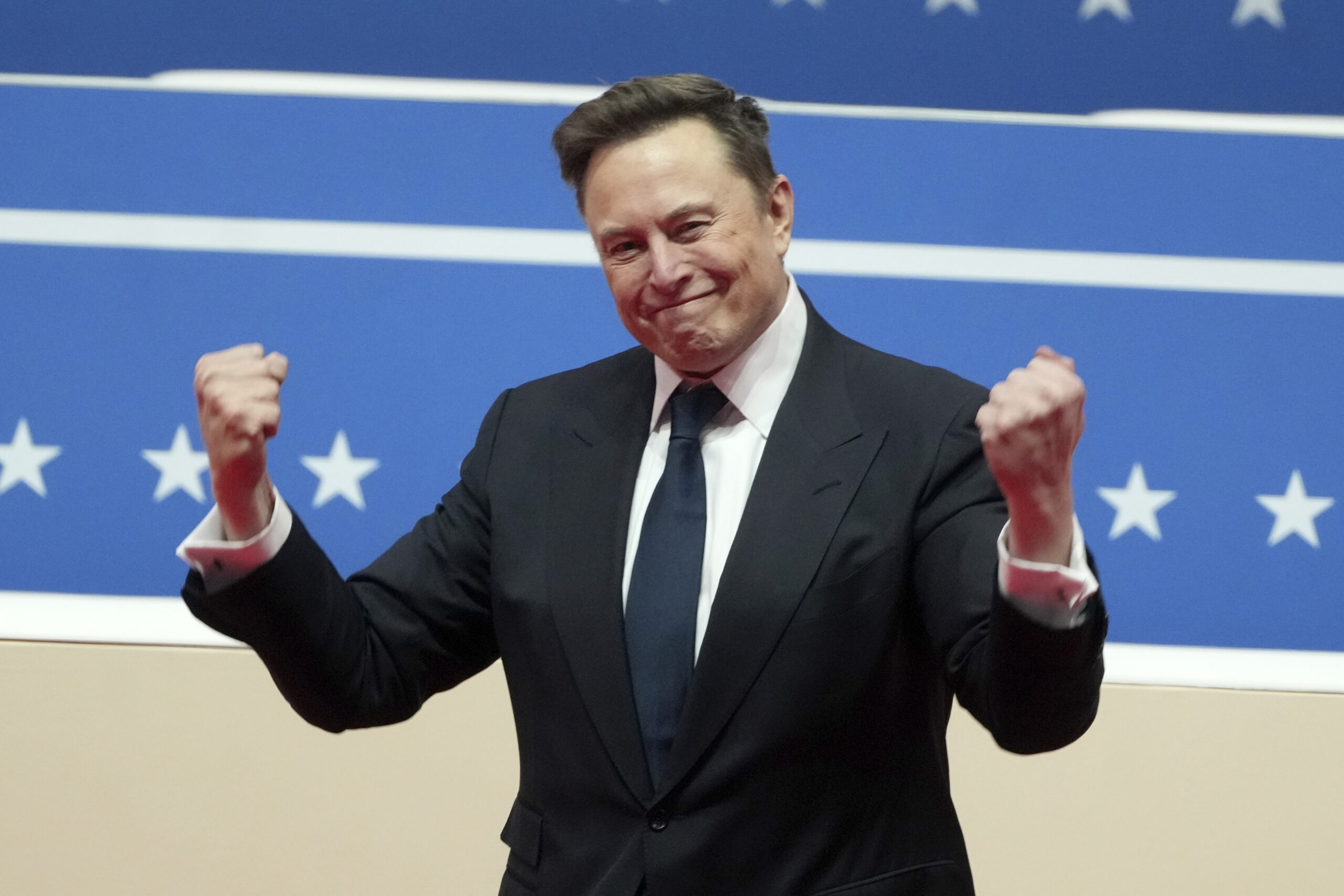
SpaceX is on the verge of what will likely be the largest initial public offering (“IPO”) of all time, taking advantage of soaring investor interest in space exploration. But CEO Elon Musk may have something even bigger up his sleeve – a potential merger with Tesla (TSLA).
A multitrillion-dollar mega-merger? Yes, and there are plenty of reasons – operational and personal – to believe it could happen, whether it’s a good business decision or not. In fact, former Tesla president Jon McNeill thinks the odds of it happening are better than 50-50.
Meanwhile, Wedbush Securities managing director Dan Ives puts the probability of a merger at 80% to 90%. He thinks Musk might merge the companies in the first half of 2027.
Before diving into the reasons, let’s see why and how Musk may have already set the stage for a merger to happen. This begins with the incredible valuation of SpaceX’s stock, which Musk has grown from $210 billion in July 2024 to that potential $1.75 trillion figure today. Some reports have even suggested the IPO might price at a $2 trillion valuation.
That’s a stunning eight-fold increase in valuation over about two years, though it now also includes xAI, another Musk company that merged into SpaceX in February. That merger, along with some crafty maneuvers, helped rocket SpaceX’s valuation to astronomical levels. SpaceX used “valuation rounds” to jack the price up in just months – a process that’s vital to understand.
Now that SpaceX’s value has risen, the stock is estimated to have a market cap similar to Tesla’s after it goes public, making it relatively easy, psychologically, to contemplate a merger of the two companies. A simple stock swap, perhaps on a 1:1 basis, would mean no cash is needed to get a deal done.
Think this potential merger of Musk companies is outlandish? The seven reasons below – especially when seen as a whole – suggest why a SpaceX-Tesla merger is likely Musk’s endgame.
MORE: Elon Musk Wants SpaceX to Beat ‘Everyone Else Combined’ in AI
1. A SpaceX-Tesla Merger Simplifies Musk’s Duties
A merger of SpaceX and Tesla would help consolidate key parts of the Musk empire, though it does not include other organizations such as The Boring Company and Neuralink. Still, a merger collapses some of the demands of running two public companies into those of just one.
It’s a key consideration, but it’s important not to overstate the benefits either. A merger might reduce the administrative burdens of a second company, but leaders must still address the operational issues of the business units, whether they’re part of a merged company or not.
Still, it could be a real win in terms of time savings for Musk and other top leaders.
2. SpaceX and Tesla Are Already Co-Investing on Projects
SpaceX and Tesla are already co-investing in some projects, and because of Musk’s personal financial interests, they may be drawn into other future endeavors. One of the largest such projects is Terafab, developed by SpaceX, Tesla, xAI, and Intel (INTC).
Terafab is a semiconductor fabrication facility being built near Tesla’s GigaTexas site in Austin, Texas. The plant would be vertically integrated and produce one terawatt of AI compute capacity per year. It would make chips for Tesla vehicles and robots, as well as non-terrestrial chips for space-based data centers. Musk estimated the project would cost $20 billion to $25 billion to complete.
Musk’s involvement in all of these companies creates conflicts of interest for each set of shareholders. For example, which company gets a crack at which deal? A merger of the pair instantly resolves this conflict, reducing it to an issue that’s merely internal for SpaceX-Tesla.
3. Musk Has Merged His Companies Strategically Before
Musk has a history of rolling up companies, including failures, into larger ones. The move lets Musk assume greater control, simplify decision-making, hide failures that tarnish the reputation of Musk as a wunderkind, and, in one case, increase the valuation of the merged firm.
For example, Tesla’s acquisition of SolarCity in 2016 was a highly controversial deal. The solar firm had significant debt, and critics alleged that Musk – who owned 20% of SolarCity – was using Tesla to bail out his own investment in the company, which was run by his cousins. SolarCity became the basis of Tesla Energy, now a small part of the larger Tesla company.
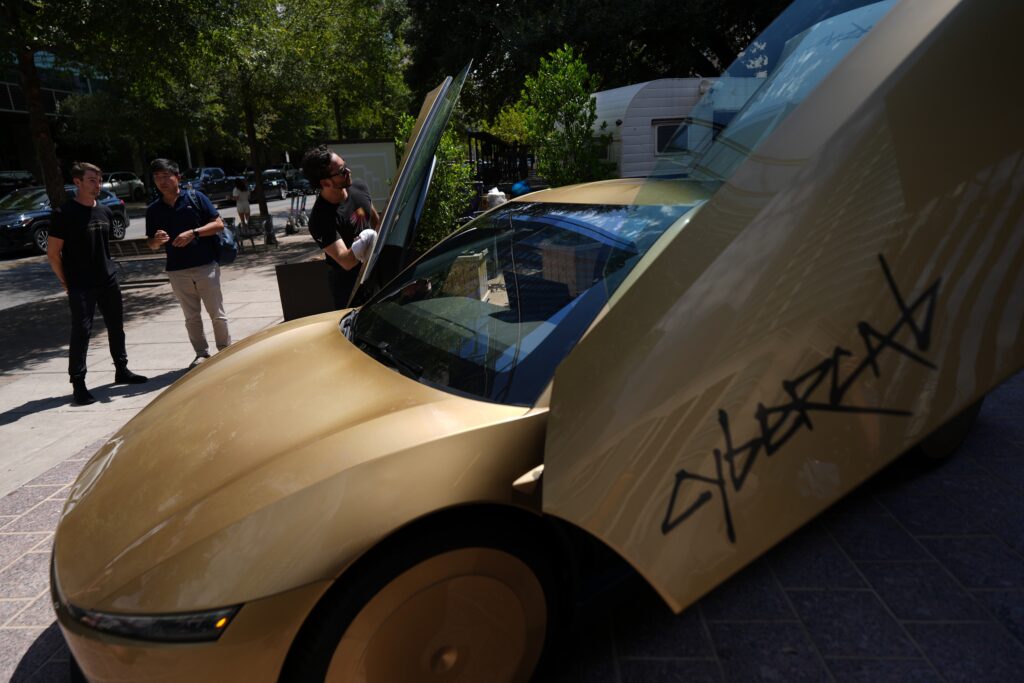
More recently, Musk merged his AI startup, xAI, with the heavily indebted social media platform X (formerly known as Twitter) in 2025. That company was merged into SpaceX in February 2026, with the key goal of increasing SpaceX’s stock valuation. The merger offered a thin justification for increasing the value of the new company by $450 billion. A merger of SpaceX and Tesla would also help gloss over such flops as the Cybertruck, a hideous electric truck with various performance issues. Such debacles can be left to die in obscurity amid all the hoopla surrounding the merged company’s many other initiatives.
4. SpaceX Money Can Help Fund Tesla’s Plans
The roll-up of Tesla into SpaceX means that Musk can feed capital into his range of enterprises. Musk can effectively pool the massive capital raise from the SpaceX IPO, estimated at $75 billion, with the $45 billion or so in cash at Tesla. Then he can prioritize which of his many capital-consuming projects receive the most financial backing.
A combined company would have a ton of very hungry “baby birds,” however. The firm would have its fingers in what seems like all the hottest buzzword businesses, and every single one requires tons of capital to succeed:
- Robotics
- Grok chatbot
- Space exploration
- Full self-driving/robo-taxis
- AI chips
On its side, Tesla generates cash flow from its automotive unit, but its profitability has fallen in recent years. At the same time, it’s ramping up capital spending with an estimated $25 billion this year, well beyond its cash flow. It’s just the start of major capital outlay on ambitious projects.
If SpaceX’s stock can sustain its massive valuation, it could be the cheapest way for the combined company to raise money. Musk could issue shares at a valuation many analysts view as inflated and keep funding these money-hungry projects.
MORE: Tesla Is Spending Massively as Elon Musk Touts Big AI and Robotics Bets. Is the Stock Overvalued?
5. A SpaceX-Tesla Merger Strokes Elon’s Ego
What’s better than leading two companies among the world’s largest? Leading the one company that sits undisputed atop the rankings. Nothing strokes a trillionaire’s ego like being the best and biggest.
With SpaceX estimated at a $1.75 trillion valuation in an IPO and Tesla’s market cap around $1.5 trillion, a merger would put the combined firm among the world’s most valuable companies. Either could reach the top 10 on its own, but together they could become the world’s largest company by market cap.
Like so many status symbols, the real point is ensuring that no one else can have it. And there can be only one world’s largest company.
6. A SpaceX-Tesla Merger Puts Musk in Full Control of Tesla
But how valuable is sitting atop the world’s largest company if you have to listen to outside investors tell you how to run it or scrutinize your compensation? A SpaceX-Tesla merger can render those pesky investors virtually silent for good – all nice and legal, too.
SpaceX has dual-share class stock with Class B supervoting stock allocated to Elon Musk and a few insiders. These supervoting shares mean Musk controls 79% of the vote despite holding 42% of the total shares. This voting control helps insulate Musk from the will of outside shareholders.
The company’s prospectus notes that Musk “can only be removed from our board or these positions by the vote of Class B holders.” In other words, likely only Musk can fire Musk.
If SpaceX were to acquire Tesla, which does not have dual share classes, it could bring Tesla under the umbrella of Musk’s supervoting stock. This move could mean he no longer has to deal with investors who want to challenge him on such issues as excessive executive compensation.
7. Because Musk Can
Musk is doing an end run around his shareholders: He’s securing supervoting stock, and he’s unable to be deposed from his perch atop a mega-empire. Does all this sound unfair?
Musk could merge these companies because he can, in part because investors have given him free rein on how SpaceX is organized. But it’s more than that. Investors have overlooked Musk’s bad faith for years, including a decade of broken promises that autonomous driving would come “next year.” They’ve trained him to understand that they’ll support him regardless of his actions.
When investors keep giving Musk all he asks for – a $1 trillion pay package, for example – he’ll keep trying to get more until there’s nothing left to get or shareholders finally revolt.
And if you don’t like Musk’s move? Get your own trillion-dollar company, I guess.
Regards,
James Royal, Ph.D.
Editor’s note: Elon Musk reinvented the auto industry, sparked a new era of space exploration, and built the world’s largest satellite network. But his new initiative – “Project Apex” – could become the crown jewel of his career. And, like Tesla, it could make early investors incredibly wealthy. Click here for the details.