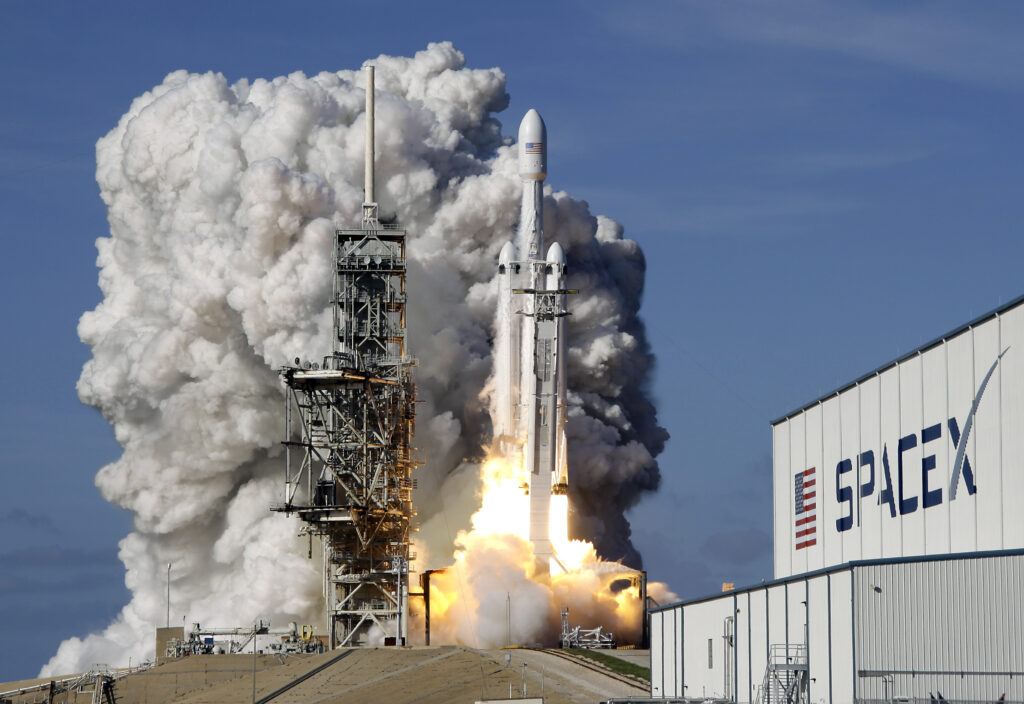
OpenAI announced that it raised an eye-popping $122 billion from investors for its artificial intelligence (“AI”) ambitions on Tuesday. It’s the largest capital raise ever – dwarfing even the amount expected to be raised in the upcoming SpaceX IPO.
OpenAI’s $122 billion figure surpasses the $110 billion initially reported in February. The incremental $12 billion was raised from venture capital firms as well as individual investors. In fact, OpenAI reported that it raised a sizable amount from individuals, more than $3 billion.
Key investors in this funding round include a who’s who of big tech players and investors:
- Amazon (AMZN): $50 billion
- Nvidia (NVDA): $30 billion
- SoftBank (SFTBY): $30 billion
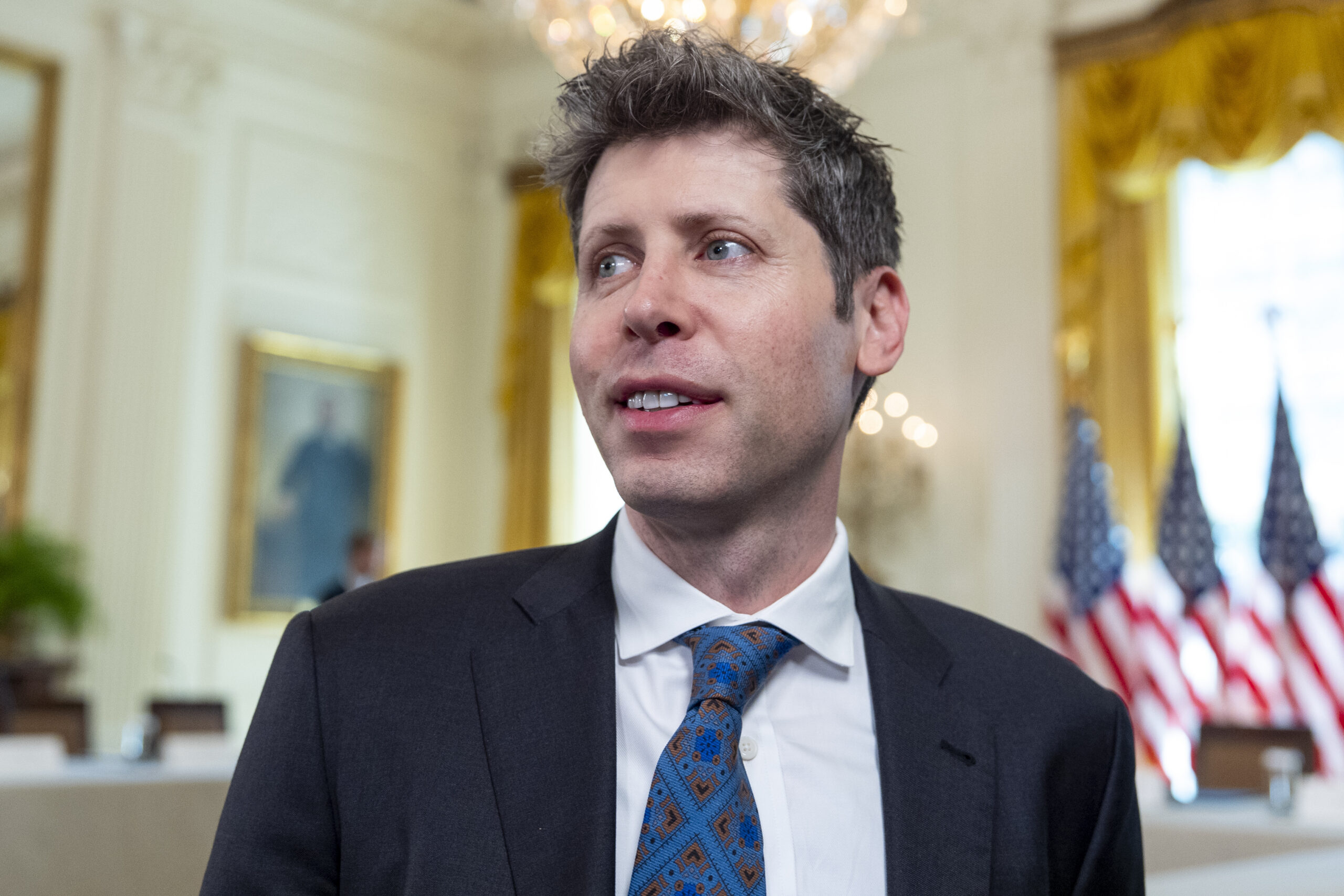
Here’s the thing, though: OpenAI is likely going to need every dollar of it because it’s burning cash furiously, as the firm builds out AI data centers and other infrastructure to support CEO Sam Altman’s vision.
The haul values the AI company at $852 billion, meaning that a future initial public offering (“IPO”) would most certainly rank the firm among the largest American IPOs of all time. With a SpaceX IPO on deck, it’s shaping up to be a big year for IPOs.
But does OpenAI’s record-breaking new round of funding raise or lower the hopes of an IPO this year?
Normally, a company raising cash might be a sign that it’s willing and able to stay private for longer. After all, if it’s raising money, why does it need more money from an IPO?
In the case of OpenAI, however, the primary reason for seeking new capital is that the company continues to hemorrhage cash at unimaginable rates.
Despite its unprecedented loss-making – OpenAI expects to lose $14 billion in 2026 alone – the company’s new war chest makes it more likely that they’ll conduct an IPO this year. Here’s why.
Open AI IPO: Will the company go public in 2026?
One of the biggest questions investors have about private AI companies is when they might conduct an IPO. OpenAI and rival Anthropic are two AI heavyweights that have been rumored to conduct an offering in 2026.
These three crucial factors will weigh heavily on whether OpenAI gets out the door as a public company sometime this year.
1. The IPO Window Is Open, and Valuations Are High
For companies looking to hold an IPO, they have to “get it while the gettin’ is good.” Companies don’t get to decide when the market is hot. To get the highest valuation on their stock, they need to hold an offering when the market is most receptive.
And demand for AI stocks couldn’t be much hotter than it is right now.
Sure, the market is off its peak at the moment as concerns about the Iran war and soaring oil prices ding investors’ confidence. But it’s a world away from the dismal days of 2022 and 2023.
In 2021, IPOs hit a total of 1,078, as easy money from the Federal Reserve turbocharged investors’ animal spirits. When the Fed aggressively raised interest rates to fight inflation in 2022, the number of IPOs plummeted to just 202. In 2023, it was even worse with a dismal 169 IPOs.
While the IPO market has recovered, many venture capital firms have been experiencing difficulties exiting their investments. Companies may feel an extra push to conduct an IPO while they can.
Meanwhile, valuations on AI companies and other potential IPOs are at all-time highs now, and they might not be as lofty in a year.
Unfavorable conditions – say, from soaring oil prices – may lead to a recession or cool animal spirits enough that the sensitive IPO market is not nearly as favorable. In this case, venture capital may need to sit on its investments for a couple of years before the market looks right again.
MORE: Valuations on AI companies such as Anthropic have been soaring higher.
2. It’s Easier to Raise Funding When Private
Once a company goes public, it doesn’t keep tapping into the deep wells of venture capital. If the baby bird leaves the nest, it has got to be able to fly on its own. So, it’s better for a startup to take more funding when it can than go public and figure out that it needed more private money.
When private, a startup’s sometimes-gory financials don’t have to be filed publicly. Yes, venture capital firms see some financial statements before investing. But these investors are more familiar with the gore, and they’re risk-tolerant, well aware that an investment may go bust.
For example, OpenAI just announced that it’s now generating $2 billion in revenue a month, compared with $1 billion per quarter in 2024. While the company projects a loss of around $14 billion this year, the company’s nitty-gritty economics are much less clear.
This level of privacy is off the table when a company goes public. A startup’s financials are fully open to scrutiny, and the firm can’t just cherry-pick the numbers it wants to report to the public.
When a money-burning company goes public, it needs to tell a good story about how it’s going to get to profitability and when. That story can be a lot looser when it remains private.
After all, OpenAI did just make the largest capital raise ever – as a private company.
Is OpenAI’s cash pile high enough to get the company to a period where it can be profitable? Combine its newly raised $122 billion with any potential capital from an IPO – tens of billions at least, presumably. Is that enough if OpenAI can’t tap the private market again?
So, if OpenAI remains private for longer, it might be able to raise more capital, if needed. It also gains the advantage of more time to clean up and look like a public company.
3. OpenAI Will Burn Cash for Years
The final issue is OpenAI’s cash burn. The company itself has made clear that it’s going to continue to light money on fire for years.
Here are the company’s expectations:
- 2026: $14 billion loss
- 2028: $74 billion loss
- Through 2029: $115 billion loss
- 2030s: Profit
That is some serious money that’s being plowed into an AI vision of the future. Given the long time frame and the company’s dubious economics, a profit in the 2030s is not certain.
Given the cash burn, OpenAI has already been looking to shutter unprofitable operations.
- It walked back plans for Instant Checkout, a plan to have consumers buy goods inside ChatGPT.
- It shuttered Sora, its video generation platform, despite a $1 billion deal with Disney (DIS).
- It also shelved its “adult mode” ChatGPT service.
It’s some much-needed cost discipline from the money-losing company – the kind of move that a CEO with IPO ambitions might make. OpenAI’s narrowed focus is certainly the right decision, but it may well have more fundamental problems than that.
The biggest concern is that the company – and AI companies generally – simply can’t charge what it costs them to provide their services. While OpenAI may brag about demand outstripping supply, that’s much easier to achieve if you’re giving away the product for well below its cost.
These concerns about the company’s fundamental economics may also be appearing in the declining stock prices of companies that are closely associated with OpenAI. The so-called OpenAI trade includes Microsoft (MSFT), Oracle (ORCL), CoreWeave (CRWV), and SoftBank.
For example, Microsoft stock is down about 33% from its October high. Meanwhile, Oracle has fallen more than 50% from its all-time high set last year, and CoreWeave has also plunged more than half from its 52-week high.
OpenAI needs to show that it can slow the cash burn to some manageable level. Quite a few analysts think that the economics of AI simply make it impossible, however.
Why the Odds of an OpenAI IPO in 2026 Are Higher
So, those three factors together are key to whether OpenAI goes public any time soon, and they each play off one another.
For example, if OpenAI management thinks it can raise another round of funding later, it may not feel any pressure to get into the market soon. Or if execs can find a way to better navigate losses, then maybe a helping of IPO money is enough to get the company on the path to profitability.
OpenAI may also be feeling pressure to go public from other sources.
Smaller rival Anthropic may conduct its own IPO in 2026, perhaps as soon as October, according to Bloomberg. Anthropic was recently valued at $380 billion, and it has begun discussing an offering with some Wall Street banks.
An Anthropic IPO – and the resulting insight into a major AI company’s financials – could put extra pressure on OpenAI to further clean up its operations. If it has a clearer path to profitability, Anthropic may want to take advantage of the white-hot valuations on AI stocks while they’re available.
With a huge capital raise, OpenAI has plenty more room to maneuver. But investors need to see how the company expects to become profitable in the near term if OpenAI wants to successfully go public in 2026.
Regards,
James Royal
Editor’s Note: Elon Musk reinvented the auto industry, sparked a new era of space exploration, and built the world’s largest satellite network. But his new initiative – “Project Apex” – could become the crown jewel of his career. And, like Tesla, it could make early investors incredibly wealthy. Click here for the details.