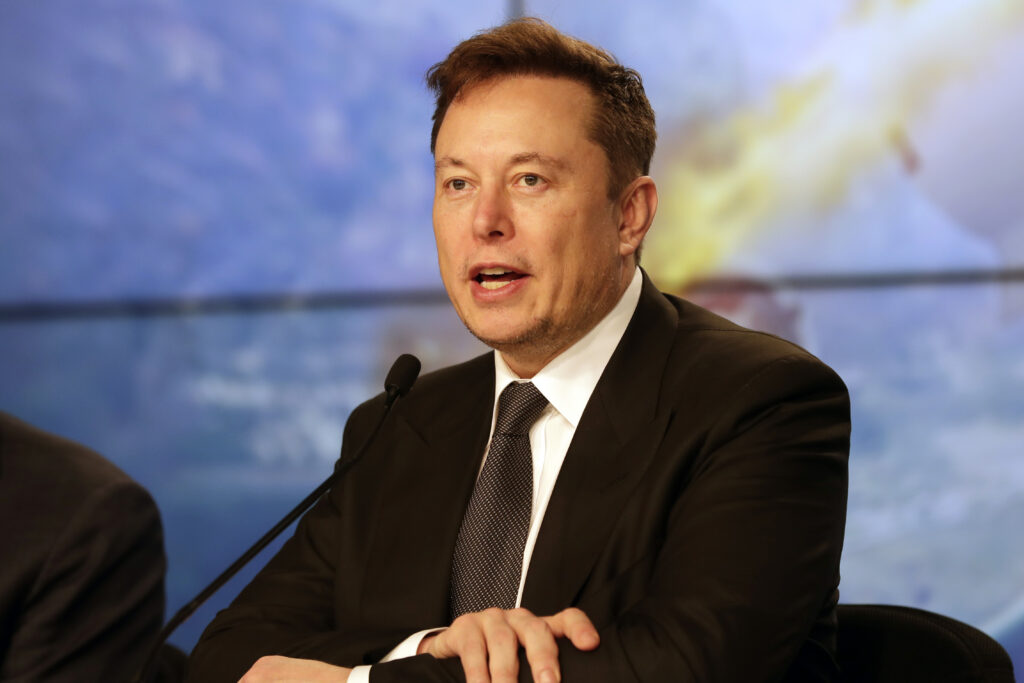
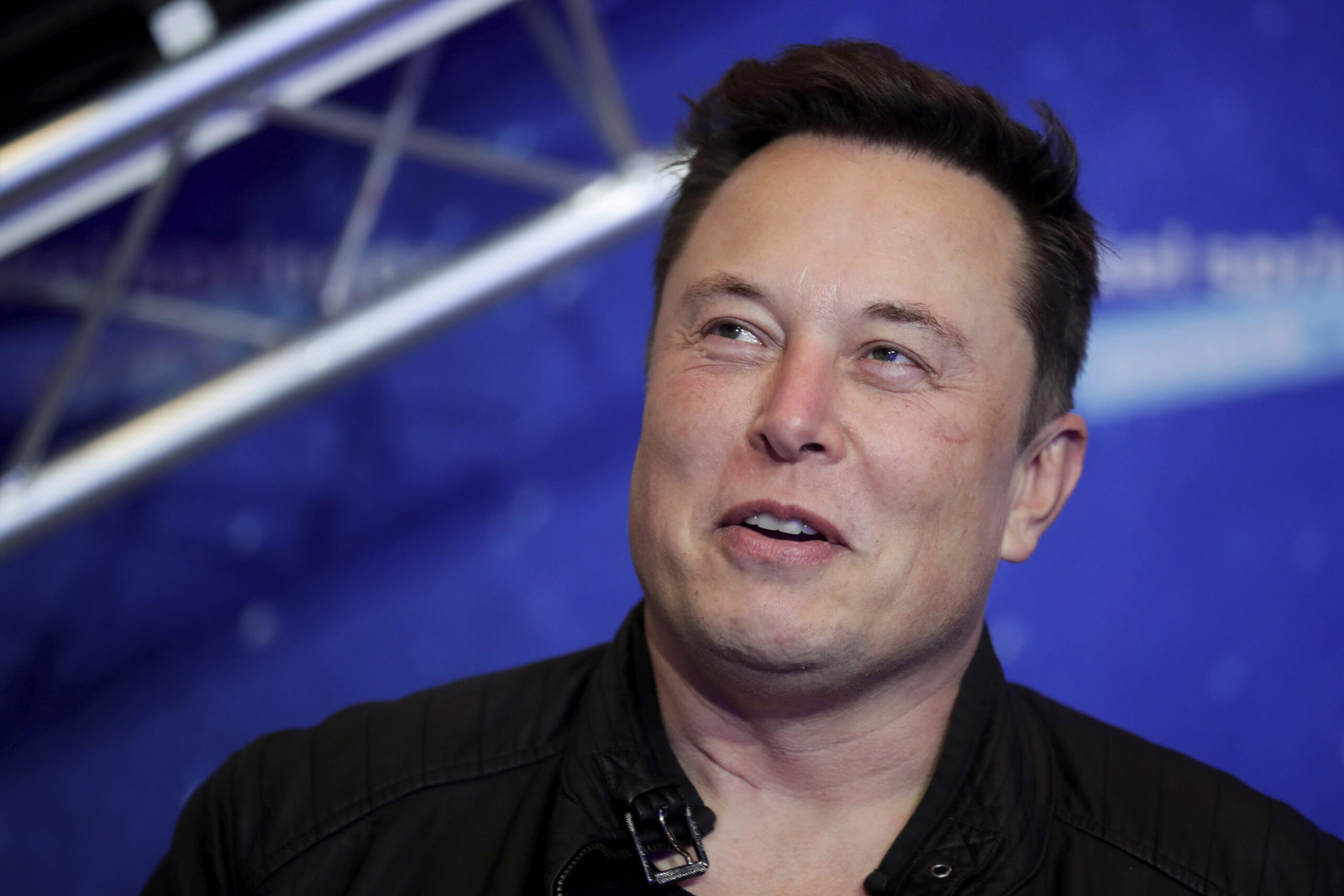
SpaceX is primed to become the largest initial public offering (“IPO”) of 2026 – scratch that, of all time – if CEO Elon Musk has his way. And he’s doing everything in his power to do just that.
For months now, Musk has teased a $1.5 trillion valuation on the spaceship company’s stock. That goal seemed laughable those few months ago, given the soaring valuation the company had already enjoyed in the prior 18 months. Now… not so much.
But don’t pin this soaring valuation on an out-of-this-world operational performance at SpaceX.
The surging valuation is due mostly to Musk, a carnival impresario of epic proportions. He has cheerleaded his pre-IPO stock to a massive valuation that truly could be the largest IPO ever.
Company founders typically let their company’s operational excellence and growth prospects drive a climbing valuation. But Musk is using a series of financial maneuvers to psychologically normalize SpaceX’s skyrocketing valuation and lay the groundwork for even more.
It was only July 2024 when SpaceX was valued at $210 billion. So, Musk is targeting something like 7 times that valuation… in a two-year period. Does that sound outrageous? It is.
Here’s exactly how Musk has been laying the groundwork for SpaceX’s trillion-dollar IPO.
How Elon Musk Is Boosting SpaceX’s Valuation
In a year potentially stacked with some of the hottest IPOs in years, SpaceX may be the hottest.
To understand what Musk is doing to pump up SpaceX’s stock, let’s look at the company’s valuation history… and how a company generates a valuation anyway.
Before a company goes public, it typically raises various rounds of financing from private investors – venture capitalists – that allow it to build out its operations. Often, it may raise three or four rounds of funding over several years, ideally at a growing valuation in each round.
This growing valuation shows the market that the pre-IPO stock is in demand. Savvy investors are willing to invest more money at a higher valuation in a company that’s demonstrating success… and to do so on an arm’s-length basis.
This history of price setting is important because it validates the valuation established by investors who have no particular reason to juice the price (unlike, say, a company’s insiders). That is, it functions much like a publicly traded exchange, where investors set the price.
As part of this process, these private investors may invest, say, $1 billion for a 10% stake in the company. This purchase gives the stock a valuation of $10 billion. In the next round, maybe investors will put up $2 billion for another 10%, raising the valuation to $20 billion. And so on.
If you’ve ever watched the TV show Shark Tank, you’ve seen a stylized version of this process in action. Founders try to get the highest price for the smallest piece of the company they can sell.
But in SpaceX’s valuation rounds, it’s not really raising capital. Instead, it’s letting insiders cash out, selling stock as part of a tender offer to the company and to investors who want a piece. So, it’s buying back shares from insiders (i.e., employees) who have earned them as compensation.
Here’s how SpaceX’s valuation has soared in the recent past on these re-valuations, as detailed in a recent article of SpaceX’s IPO:
- July 2024: A $210 billion valuation [as part of a tender offer]
- December 2024: A $350 billion valuation, based on a tender offer for $1.25 billion in stock (of which SpaceX bought $500 million worth)
- July 2025: A $400 billion valuation, based on a tender offer for $1 billion in stock (of which SpaceX bought an unspecified amount)
- December 2025: An approximately $800 billion valuation, based on a tender offer in which the company and other investors would buy $2.56 billion in stock from insiders
Now, SpaceX has another event that sets an even higher valuation on the stock:
- February 2026: A merger between SpaceX and Musk-led artificial startup xAI – which itself acquired social media site X.com (formerly known as Twitter) in March 2024 – valued the new company at $1.25 trillion.
From that latest valuation, it’s just a simple jump of 20% to $1.5 trillion, though admittedly that’s a whopping $250 billion.
This series of valuation jumps tells the tale of how Musk has engineered a massive valuation for a company that’s expected to generate revenue of just $22 to $24 billion in 2026. Even at the high end, Musk is targeting a valuation of more than 60 times sales!
Here’s What SpaceX’s Valuation Rounds Tell Investors
To understand how Musk has managed to push the valuation on SpaceX to such great heights, it’s important to look at the range of actions he’s taken.
- A vocal campaign highlighting the $1.5 trillion valuation
- A series of non-arm’s-length transactions
- A trickle of shares sold during valuation events
Musk has been outspoken about achieving a $1.5 trillion valuation. His voice has been vital to setting that figure in the public’s imagination, especially when it didn’t seem realistic. However, by publicizing this number, Musk begins to psychologically normalize it, making it seem possible.
Then Musk built various valuation events that have been carefully engineered to walk up the price.
Again, unlike traditional valuations for pre-IPO companies, where startups are raising capital, SpaceX has not been raising capital. It’s already significantly profitable.
Instead, it set the price tag for employees to cash out in a series of tender offers. It has incentive to both raise the valuation on its own stock and give insider-owners a higher share price. In fact, SpaceX is repurchasing portions of each round when its employees are offering shares for sale.
Then recently Musk bumped the valuation on SpaceX by engineering a merger with xAI, a 2023 company founded by… Musk. That pushed up the price of the combined firm by about 56%.
Beyond these tactics, Musk also kept a tight hold on the trickle of shares in the valuation events.
As I noted in that prior article:
In each of the last three valuation events [December 2024, July 2025, and December 2025], SpaceX was moving stock that amounts to less than one-third of 1% of its total (new and rising) valuation.
In contrast, a typical startup raising capital might sell a 5% to 10% stake in its business… again, in an arm’s-length transaction.
By keeping the number of shares it’s releasing low, it’s easier to find investors who are willing to pay a high price to be part of the action – and a potentially higher price during an IPO later on.
So, it’s like Musk is strategically capping a hose with his thumb to increase the distance the water will spray.
These three tactics work together to push up the stock price. Then, as investors see the stock rising – and Musk touting a higher valuation – they’re more willing to participate in an offering.
It’s a similar story in an IPO, with Musk reportedly seeking a $50 billion capital raise. At a $1.5 trillion valuation, that’s just 3.3% of the stock being floated to the public. Musk will need to keep enthusiasm high and access (relatively) low to maintain a SpaceX valuation of 60 times sales.
But Musk has had plenty of practice keeping investors focused on the next big thing at Tesla (TSLA). And if Musk is selling it, many investors are buying for that reason alone.
When Will SpaceX Conduct Its IPO?
While investors speculate whether Anthropic and OpenAI will conduct their IPOs in 2026, SpaceX seems like it is well on its way to doing just that. Musk has teased June 2026 as a possible date for the IPO, in part because of a planetary alignment.
It also just happens to be the month of Musk’s birthday.
If that’s the game plan, then we’ll begin to see the company’s registration documents with the Securities and Exchange Commission (“SEC”) soon. The process from filing with the SEC to holding a roadshow for investors to actually placing stock with investors can take months.
Investors looking to buy into SpaceX before it goes public may be able to do so with this exchange-traded fund, if it’s officially approved by the SEC. The fund also includes other highly anticipated IPO stocks, including OpenAI, Anthropic, and Kalshi.
As always, it’s important to know what you’re investing in before you put your money down.
Regards,
James Royal
Editor’s Note: Should investors prepare for an AI crash or buy the dips? Analyst and True Wealth editor Brett Eversole just posted a surprising answer. According to Brett’s research, there’s a pattern taking shape that could defy all the worst predictions about a bust. He’s calling it a Melt-Up Tsunami. And he’s identified at least a half-dozen stocks that could benefit, including his No. 1 stock to own right now. He shares the ticker in this new presentation.