Image Credit: Associated Press
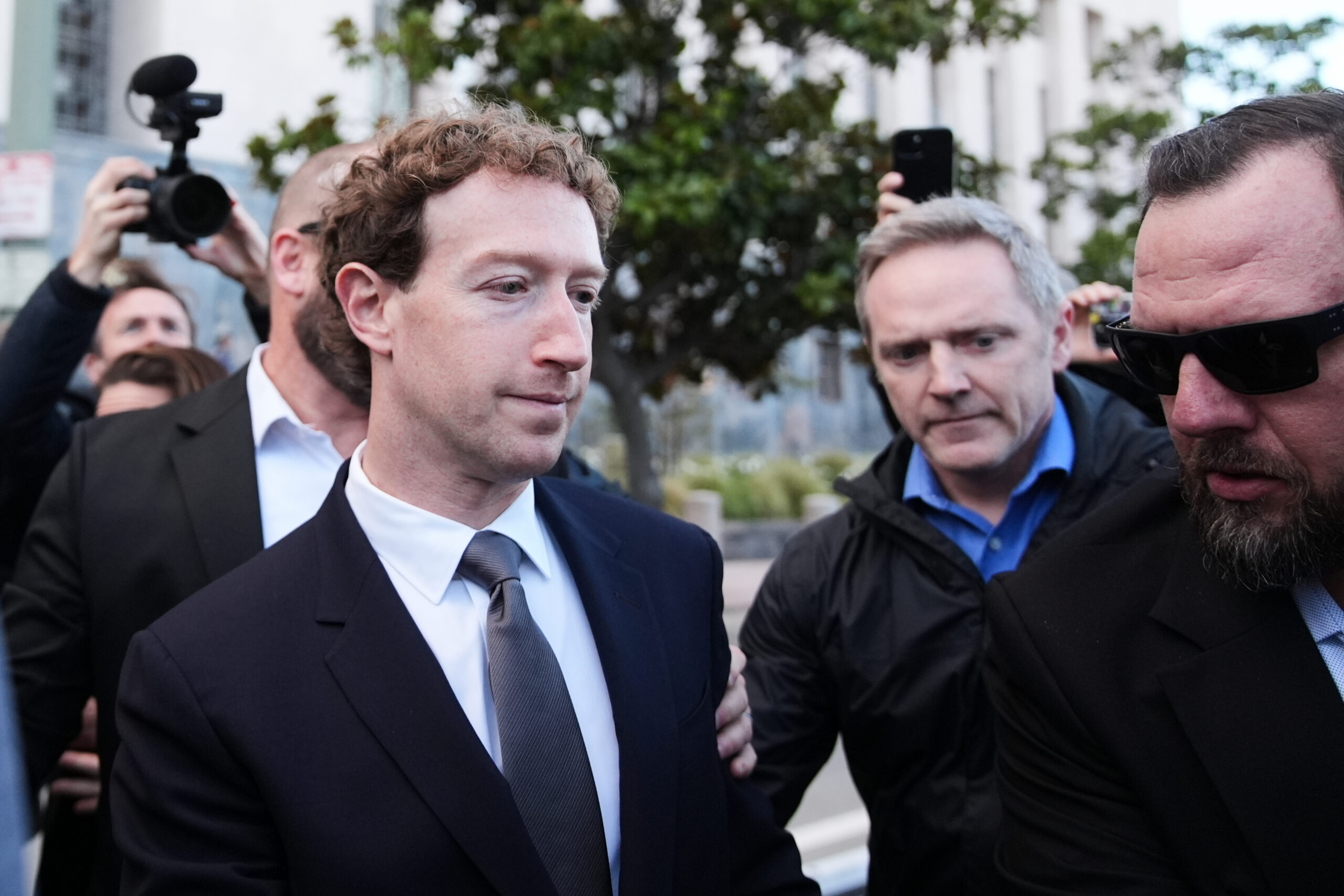
In yesterday’s e-mail, I discussed Meta Platforms’ (META) loss in a New Mexico courtroom. Shortly after, news broke that the company, along with YouTube owner Alphabet (GOOGL), lost another lawsuit in Los Angeles…
According to the Wall Street Journal, the companies were accused of designing their apps to be addictive and harmful to adolescents. The article reports:
A jury found Instagram’s owner Meta and YouTube negligent for operating a product that harmed kids and teens and failed to warn about those dangers. The decision dealt a blow to the companies that have historically been shielded by Section 230 of the Communications Decency Act.
The jury ordered the companies to pay $3 million to the plaintiff, named Kaley G.M., who testified that social-media use that started before she was a teenager had dominated her life for years and had contributed to mental health issues including anxiety, depression and body dysmorphia.
This is leading many to ask if Meta’s back-to-back losses in court represent a “Big Tobacco” moment”?
The social media companies face two dangers, a second Journal column observed: The first is that they could be forced “to make significant changes to the way they design and deliver their products”:
That is the view of some legal experts, but also the stated position of Meta itself, which argued heading into the trials in California and New Mexico that for juries to endorse the theory of the cases against them would challenge their ability to keep serving products used daily by billions of people.
The Journal cites second risk – huge legal liabilities:
The judgments for the plaintiffs threaten to undermine long-held protections that have shielded internet companies for decades. They suggest future juries might be receptive to a product-liability argument against social media, which forms the basis of thousands of similar lawsuits waiting to be heard. And they encourage new plaintiffs to come forward, raising the prospect of mass litigation that could stretch for years and lead to settlements or changes in the industry, akin to the legal campaign against the tobacco industry in the 1990s.
These verdicts directly affect two of my three favorite big-cap tech stocks. (The third, Amazon (AMZN), isn’t affected.)
I don’t dismiss the risks entirely, but I’m not overly concerned for three reasons…
First, litigation like this takes years – even decades – to play out. So any impact is likely far into the future and spread out over a long period. Just look at how ExxonMobil (XOM) and BP (BP) bounced back after the Exxon Valdez and Deepwater Horizon oil spills.
Second, these cases will surely be appealed all the way to the Supreme Court, which has a strong pro-business majority. I think it will be likely to rule in favor of the social media companies, for reasons outlined in a WSJ editorial:
Congress for years has debated legislation to protect teens online, including stronger parental controls and privacy settings. But lawmakers have punted because, well, it’s easier to beat up Big Tech. Some Members also demand that any legislation include a right of private action that would let trial attorneys loot the companies…
The social-media shakedown is a victory for the plaintiffs bar – not for children or society.
I also agree with a New York Times article that noted the real parallels with a recent copyright battle over pirated music. The Supreme Court decided in favor of Internet provider Cox Communications, limiting the liability for providers when their users download and share music illegally.
I’ve written many times recently about why I think Alphabet will be the biggest winner in AI with Google Gemini and in autonomous vehicles with Waymo.
And according to CNBC, Meta is in the process of massively cutting its employee headcount, thanks in part to its investment in AI.
Once the chattering about these cases fades, investors will once again focus on these social media companies’ incredible business models, modestly valued stocks, and the many levers they’re pulling to increase value.
Note: This article was adapted from today’s edition of Whitney Tilson’s Daily. Every day, Whitney emails his readers with his comments on the most important topics of the day, including stocks he’s investigating… great articles he has read… his media and podcast appearances. You can sign up here to receive all of Whitney’s daily thoughts and insights.