Image Credit: Associated Press
On February 28, American military forces launched strikes on more than 1,000 targets across Iran, leaving behind mass destruction. The attack was part of a joint effort with Israel.
In response, Iran unleashed a significant counterattack, including missile and drone strikes aimed at U.S. allies across the Middle East. This included American military bases, airports, and even hotels.
War’s impact on humanity is profound – both fundamentally and financially. It may sound hyperbolic, but the global economy hangs in the balance during war.
And the Iran war is no different.
How War Impacts the Overall Global Economy
During times of war, the global economy takes a hit. And that hit jolts the energy supply chain more than most other sectors.
Whenever there is war, particularly in the Middle East, the biggest impact is often on oil and gas prices, which typically surge and raise costs downstream. This war is no different.
Oil spiked roughly 7% on March 2 to its highest per-barrel price since January last year as the conflict in Iran began to restrict supplies from one of the world’s most important oil and gas-producing regions.
To no one’s surprise, average gasoline prices in America soared by 11 cents per gallon overnight to $3.11.
While those price increases certainly hurt consumers’ wallets at the pump, rising oil and gas costs have a far-reaching impact on the global economy.
Transportation, logistics, and manufacturing costs increase, which makes consumer-goods prices rise through inflation. And inflation puts a damper on overall consumer spending, which stifles economic growth, and that tightens corporate profit margins. You can see where this is going.
But there’s one industry that may be suffering the most from the fallout of the Iran war… travel.
Why the Travel Industry Has Already Been Hit Hard by the Iran War
Travel stocks often get pummeled during times of war, no matter where people are headed.
Obviously, travel in the Middle East has been severely impacted, if not halted altogether. But the entire travel industry – from airlines to hospitality to cruises – suffers during wartime for a couple of big reasons.
- Higher costs:As noted earlier, fuel prices typically surge as wars rage on. That includes jet fuel and marine fuel. As airline carriers and cruise operators spend more on fuel, those costs are passed down to the consumer. And those price increases can be significant.
Ticket prices on some international airplane routes have increased at staggering levels… up to 10 times the cost for some flights. Flight fares from Hyderabad, India to Germany have risen by 200% to 300%.
That’s certainly enough to keep potential travelers from booking a trip.
- Safety fears and the subsequent dip in demand:It’s hard to blame tourists or even business travelers for hesitating to travel when war is taking place. That leads to a rise in trip cancellations, which heavily impacts the hospitality industry.
Hotel and lodging cancellations in the Middle East have reached roughly 80% in the immediate aftermath of the U.S.-Israeli strikes. Hotels in the region have also reported shorter stays and fewer advanced bookings.
The hospitality industry often follows airlines in these types of situations. As several major international airlines rerouted or suspended flights to the Middle East, hotels in the region, unsurprisingly, experienced an instant plunge in occupancy rates.
Clearly, the impact is felt in Iran and Israel as participants in this war. But surrounding countries like Saudi Arabia, Jordan, Oman, the United Arab Emirates (“UAE”), Qatar, and Egypt are losing visitors as travelers look to avoid the Middle East altogether while the conflict is ongoing.
Unfortunately, this pattern will likely continue until the conflict de-escalates, and there is no timetable for that.
The 3 Types of Travel Stocks Most Impacted by War
Let’s look at the three travel-related stocks that have already been significantly impacted by the conflict in Iran.
1. Airline Stocks
Between February 27 (the day before the first bombs dropped in Tehran) and March 2 (the first day the markets opened after the bombings), global airline stocks fell.
- Delta Air Lines (DAL):Dropped from $65.70 to $64.25.
- American Airlines (AAL):Dipped from $13.07 to $12.52.
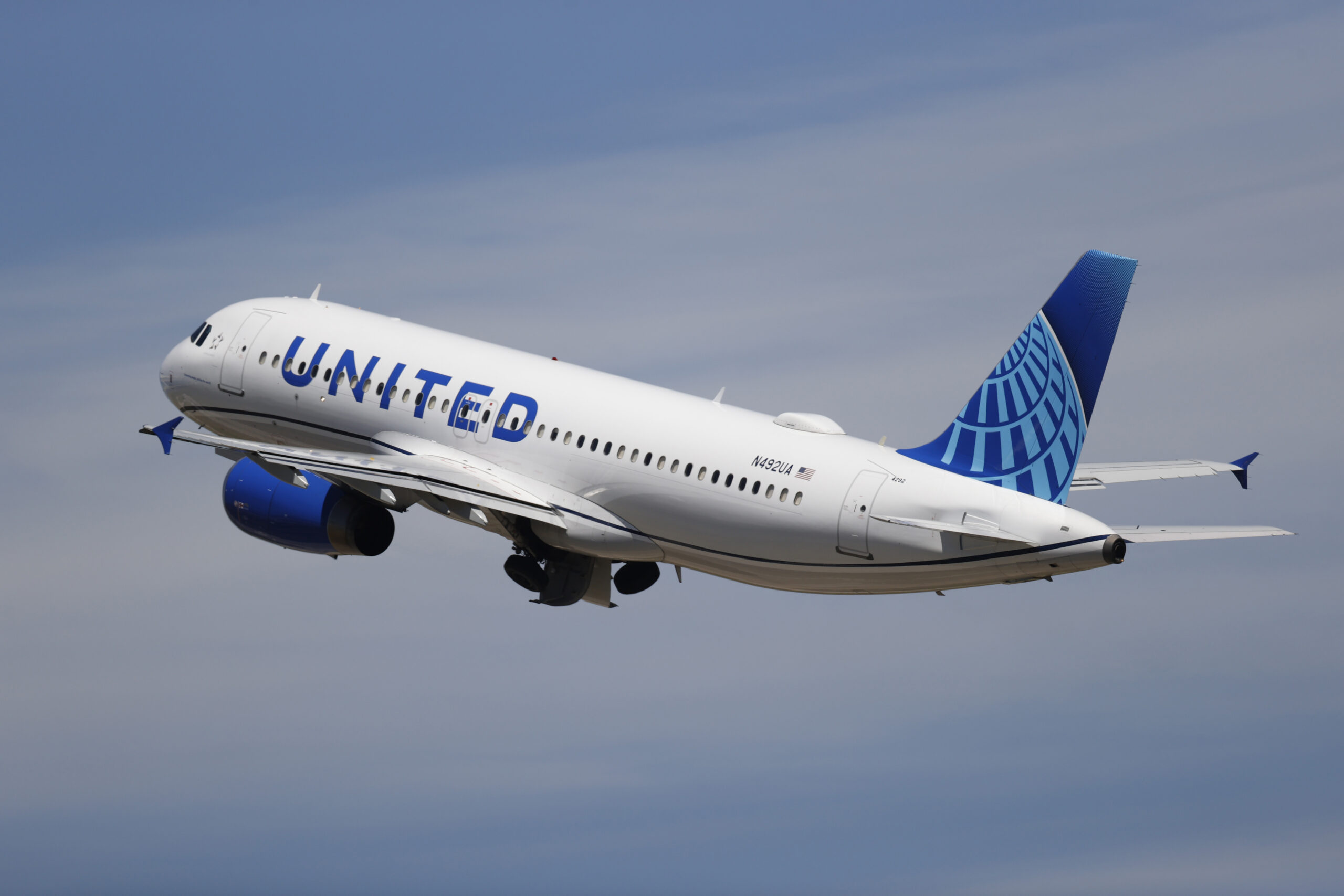
- United Airlines (UAL):Tumbled from $106.30 to $103.21.
- International Airlines (IAG) (which owns British Airways, Iberia, Vueling, and Aer Lingus):Plunged from 457.30 pounds to 400.50 pounds… and has since dropped well below 400 pounds.
Airlines servicing Europe and Asia have been severely impacted by the conflict in the Middle East. For two major international transit hubs in the region – Doha in Qatar and Dubai in the UAE – flight cancellations and suspensions have wreaked havoc for travelers… many of whom are stranded until flights resume.
On March 4, Qatar Airways announced that flights will remain grounded until at least March 6 and likely would not resume until the Qatar Civil Aviation Authority deems the airspace safe to reopen.
Emirates Airline also extended the suspension of its regularly scheduled flights until 11:59 p.m. on Saturday, March 7. In the meantime, the airline will operate some cargo and repatriation flights to help stranded passengers get home.
Dubai International Airport, one of the busiest travel hubs in the world, with more than 1,200 incoming and outgoing flights daily, recorded only 20 flights on March 2.
Dr. Ian Douglas, an expert in aviation and airline management, summed up the chaos and expenses airlines are facing. He told the Guardian:
“Just think about the crews who are dislocated, sitting in hotels,” he said. “Aircraft that are a couple of million dollars a month to lease that are sitting on the ground doing nothing, generating no income.
“All of the passengers who need accommodation and feeding, and just pulling the network back together. It’s enormously expensive.
“You look at the size and scale of Emirates or Qatar, they’re multibillion-dollar businesses. You’re talking millions of dollars an hour in fares that are not happening.”
And they’re not the only ones losing money.
2. Hotel/Hospitality Stocks
Where airline stocks go, hotel and hospitality stocks often follow. That’s been the case in the days since the war began.
And, unfortunately, many hotels in the Middle East are literally in the war zone… and they’re also becoming targets.
Dubai’s famous five-star Fairmont hotel in Palm Jumeirah was struck by an Iranian missile. And debris from an intercepted drone caused a fire at the city’s Burj Al Arab hotel.
Another Iranian drone hit the Crowne Plaza Hotel in Bahrain’s capital of Manama on March 1, wounding two U.S. Defense Department employees.
The conflict expanded to Lebanon, as Israeli forces bombed the Comfort Hotel in the Beirut area and a residential complex. The strikes killed at least 11 people.
Considering all these attacks occurred within the first week of the Iran war, it’s easy to see why hotel cancellations are on the rise and bookings are on the decline, especially in the Middle East.
Though the war may not directly impact domestic U.S. travel plans, many of the major hotels in the Middle East are operated by American hospitality companies. And that makes sense, because Middle Eastern tourism has soared in recent years.
Middle Eastern tourist arrivals hit 96.6 million in 2025, a 3% jump from 2024. And at 39% above 2019 pre-pandemic tourism levels, the region is the world’s strongest performer in tourism recovery.
Marriott (MAR), Hyatt Hotels (H), and Hilton Worldwide (HLT) have a strong presence in the Middle East. In fact, Marriott reported that Saudi Arabia and the UAE were two of its top five highest-growth markets in 2025. Hyatt and Hilton are also heavily focused on Saudi Arabia for upcoming projects.
Each of those stocks dipped at the onset of the war.
- Marriott:Tumbled from $341.73 on February 27 to $330.47 on March 2.
- Hyatt Hotels:Dipped from $161.50 to $159.81 over the same time frame.
- Hilton Worldwide:Fell from $311.78 to $304.80 during the same period.
Longer term, tourism does tend to return to areas besieged by war. Unfortunately, it can take years. Besides any structural damage a hotel might sustain, there are disrupted supply chains to repair and possibly enhanced security measures to put into place.
Most damaging of all, however, is the reputation of the destination.
The Middle East, which suffered from this type of damaged reputation throughout the Gulf War in the 1990s, has clearly made major tourism inroads in recent years.
Now?
With the conflict spreading from Iran to Israel and several surrounding countries, you’d be hard-pressed to find someone willing to fly to the Middle East for a vacation anytime soon.
Even if the Iran war ends tomorrow, it’ll likely take years for tourists to feel completely safe traveling to any of these locations. That’s a major blow to the region’s tourism industry in general, and its hotel and hospitality industry specifically.
3. Cruise Stocks
Not even cruise ships are immune to the effects of war.
Between February 27 and March 2, three of the world’s largest cruise operators suffered significant losses.
- Norwegian Cruise Line (NCLH):Dropped from $24.79 to $20.78.
- Royal Caribbean Cruises (RCL): Plunged from $310.96 to $300.84.
- Carnival (CCL): Fell from $31.55 to $29.14.
The reasons for these stock sell-offs are similar to those for airlines. For one, rising oil prices directly impact cruise operators, because marine fuel is one of the biggest costs for cruise lines.
And when cruise lines are paying substantially more for fuel, passengers often feel it through higher ticket prices and onboard spending charges like food and entertainment.
But likely more concerning for potential passengers – as well as cruise operators – is safety. During times of war, people are already wary of travel. For cruise-goers, the thought of being out at sea – or at port – as missiles are launching is downright terrifying.
And roughly 15,000 cruise passengers and 6,000 crew members are living that nightmare right now.
As of March 4, three cruise ships (the MSC Euribia, Celestyal Discovery, and Aroya Manara) were docked in Dubai, two more (Celestyal Journey and TUI’s Mein Schiff 5)were stranded at port in Doha, and one (TUI’s Mein Schiff 4) was in Abu Dhabi.
The Mein Schiff 4 had an especially close call on March 1 when a missile struck the water near its port. The ship’s 2,500 passengers were forced below deck and away from windows as missiles soared nearby.
Out of caution and guidance from local authorities, passengers are unable to disembark to go home until further notice. That leaves them stranded in countries surrounded by war.
As a result, TUI canceled cruises on the Mein Schiff 4 up to and including its March 9 departure, as well as cruises on the Mein Schiff 5 up to and including its March 12 departure. MSC Cruises’ remaining three trips for the winter season have also been axed, with passengers receiving full refunds. And Celestyal Cruises scrapped its remaining four “Desert Days” cruises of the season. Customers will receive a full refund or cruise credit for another trip.
Depending on when the latest Middle East conflict ends, it may be quite a while before cruise lines venture into Persian Gulf waters again… or before vacationers think about boarding a cruise ship anytime soon.
The Outlook for Travel Stocks Amid the Ongoing Iran War
If the war with Iran continues, oil prices will remain elevated, especially if shipping remains restricted through the Strait of Hormuz… an artery for around 20% of the world’s oil, including 80% of Asia’s oil.
And if oil prices remain high, fares for airline flights and cruises will likely continue increasing as well, which will lead to fewer trip bookings and more cancellations, impacting the hospitality industry.
The fortunes of the airline, hospitality, and cruise-line companies are somewhat interconnected and are all affected by the impacts of the Iran war. Yes, the industries will rebound… the question is when. And that all depends on how lengthy the conflict is.
In the meantime, holding on to travel stocks is probably your safest bet if you can handle near-term volatility while the war carries on. Let’s all hope that there is a peaceful resolution on the horizon.
Regards,
David Engle
Editor’s note: In 2025, one of the world’s biggest oil producers poured $1 billion into a startup that could KILL the oil industry.
This obscure startup is the front-runner in a technology that could generate virtually limitless energy.
Bill Gates says that it “could be as transformative as the invention of the steam engine before the Industrial Revolution.” (Details here.)
No wonder Microsoft recently inked a massive deal to generate electricity from this breakthrough power source.
Even the firms that are most vulnerable to its disruptive potential are piling into it. Oil supermajors ExxonMobil, Chevron, Eni, and Shell are staking billions of dollars in a technology that, according to Live Science, could “make oil obsolete.”
And now – thanks to a little-known “backdoor” into this technology – it’s your turn.