Image Credit: Associated Press
Listen to the audio version of this article (generated by AI).
Companies don’t give away $200 million businesses.
Except Boeing just did. On purpose. And if you understand why, you understand where the next wave of AI money is headed.
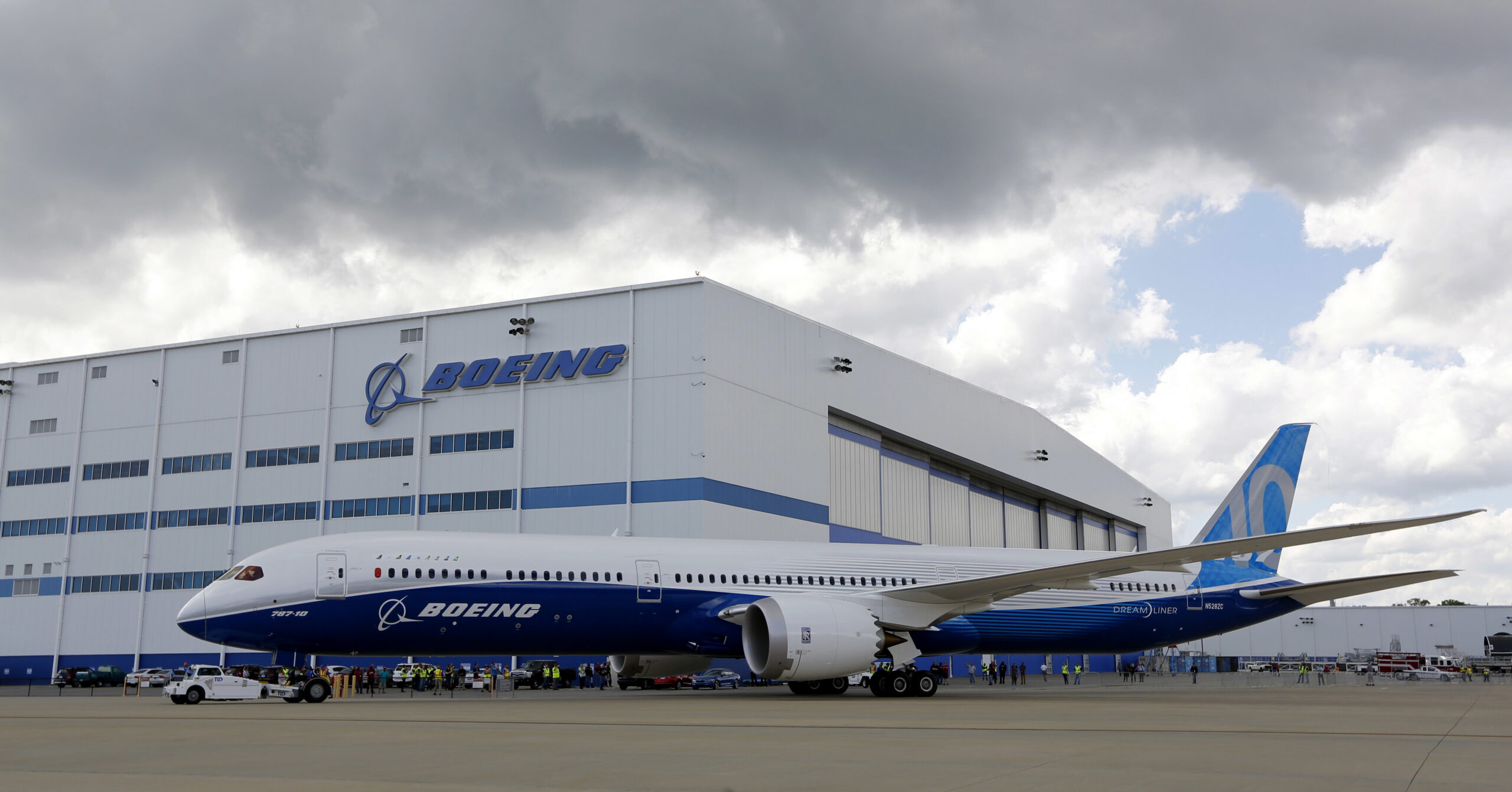
On Monday, the Boeing-Archer deal was announced. Boeing (BA) handed three of its subsidiaries — Wisk Aero, SkyGrid, and Insitu — to Archer Aviation (ACHR). Three businesses. Two decades of investment. One of them generating over $200 million a year in defense revenue across 35 countries, with drones flown by the U.S. Navy.
The price? Zero dollars.
Boeing took stock instead. A 19.75% stake in Archer, plus options to buy more over the next four years — all laid out in a regulatory filing, not a marketing deck.
The market heard it. ACHR stock ripped 20% by mid-morning.
So why would Boeing do this? Simple. I spent 28 years on trading floors in Chicago, and I watched this exact trade a hundred times: when a market maker holds a position he can’t run properly, he doesn’t dump it at the bid — he swaps it to the guy who can run it and keeps a piece of the upside. That’s what Boeing did. CEO Kelly Ortberg has been shedding everything that isn’t commercial planes, defense, or space since he took over — he sold the Jeppesen flight-planning unit for $10.55 billion last year. But this time, instead of taking cash and walking away, Boeing kept a nearly 20% seat at the table and licensed back Wisk’s autonomy tech for its own future aircraft. Sell the headache, keep the upside. That’s not desperation. That’s a pro’s trade.
But here’s the part most investors will miss: the deal announcement gave Wall Street something more valuable than a stock pop.
It gave Wall Street new language.
“Physical AI” Just Entered the Chat
Archer didn’t call this a drone acquisition. It didn’t call it an eVTOL consolidation.
It called it an “end-to-end physical AI platform for aerospace and defense.”
Physical AI. Remember that phrase. You’re going to hear it a thousand times over the next year.
Here’s the plain-English version. The first wave of AI lived in a data center. It wrote your emails. It answered your questions. It made Nvidia the most valuable company in history.
Physical AI is what happens when that intelligence gets a body. Aircraft that fly themselves. Drones that navigate without a pilot. Air traffic systems that manage thousands of autonomous vehicles at once.
That’s what Archer just bought:
- Wisk Aero — six generations of autonomous electric aircraft, more than 1,700 test flights
- SkyGrid — the air traffic management software that keeps autonomous aircraft from hitting each other
- Insitu — military drones flown worldwide, including by the U.S. Navy, with 3,500+ systems built and $200M+ in annual revenue
Feed all of it — nearly two million combined flight hours of data — into Archer’s AI foundation model, called ZEE. That’s the platform.
Whether Archer executes on that vision is a different question. But the theme just got a name, a poster child, and a Boeing endorsement. Themes with all three don’t stay quiet.
The Tape Told You Everything at 10 A.M.
I don’t care what a press release says. I care what the money does.
So here’s what the money did on Monday.
ACHR jumped 20% — fine, that’s the deal stock, it’s supposed to move. Part of that pop was mechanical anyway: nearly 15% of Archer’s float was sold short, and shorts covering into a takeover headline is rocket fuel that has nothing to do with conviction.
The real tell was everything around ACHR:
- AeroVironment (AVAV) — up 9%
- Kratos Defense (KTOS) — up nearly 6%
- Red Cat Holdings (RCAT) — up 6%
- Planet Labs (PL) — up 5%
None of those companies were in the deal. Not one.
That’s called a sympathy move, and it’s one of the most honest signals in markets. Nobody issued a press release telling AVAV to rally 9%. Real buyers showed up because the deal re-priced what an autonomous-systems business is worth. Insitu — a drone maker doing $200 million a year — just got valued inside a “physical AI” wrapper, and every fund manager holding a comparable business did the same math before lunch.
Meanwhile Boeing itself? Up less than 1%. The market shrugged at the seller and chased the theme.
That’s what the tape can’t hide, folks. The money went straight to the drone complex.
Follow the Money: 3 Ways to Play Physical AI Stocks
I’m not going to hand you a “buy this now” list. What I’ll do is show you where the money is pointing, so you can do your own work.
The pure comp: AeroVironment (AVAV). If you want to know what Insitu is, look at AVAV. Military drones, loitering munitions, U.S. defense contracts. It led Monday’s sympathy rally for a reason — it’s the closest public company to the business Boeing just handed Archer. When the theme gets a re-rating, the cleanest comp gets it first.
The autonomy arms dealer: Kratos (KTOS). Kratos builds tactical drones and the autonomy software that flies them. If “physical AI” becomes the label funds put on their defense-tech sleeve, Kratos sits in the middle of it.
The small-cap torque: Red Cat (RCAT). Higher risk, higher beta. Red Cat’s Teal drones won a U.S. Army short-range reconnaissance program, and the stock moves violently when the drone theme catches a bid. This is the name that goes up the most when the theme is hot — and down the most when it isn’t. Size accordingly.
And a word on the obvious one everybody will mention: Palantir (PLTR) is the software layer of battlefield AI, but it’s already priced like everyone knows it. The fresh money in a new theme usually flows to the names that haven’t been discovered yet.
Read the Fine Print Before Chasing the Boeing-Archer Deal
Two things to keep in your back pocket before you chase anything.
The deal isn’t done. It’s expected to close by the end of 2026, pending antitrust review. Between now and then, Archer is a story stock with a $200 million revenue business attached to a press release, not a balance sheet.
Archer paid in paper. This was an all-stock deal. Archer just issued roughly 20% of itself to Boeing. Dilution is real, and existing shareholders paid for these assets whether they realize it or not.
None of that kills the theme. It just means the theme and the ticker are two different trades. You can believe in physical AI without believing ACHR at any price.
Physical AI Stocks: The Bottom Line on the New Theme
Twenty-eight years of watching order flow taught me one thing above everything else: nothing matters until the money moves.
On Monday, the money moved. Boeing swapped $200 million of annual revenue for equity in a startup. The drone complex re-rated in hours on a deal it wasn’t even part of. And Wall Street got handed a brand-new theme with a Fortune 50 company’s signature on it.
Chatbots were the first act. Physical AI — machines that fly, see, and decide — is the sequel.
The smart money already bought its ticket. The question is whether you’re watching the screen or the popcorn line.
Editor’s Note: Every generation or so, the way money moves gets a fundamental upgrade. The people who see it coming have the chance to get extraordinarily wealthy. Everyone else watches from the sidelines. Luke Lango says that moment is here again, and Elon Musk is behind the upgrade in an amazing way. He’s revealing exactly what to buy, including one free pick, in this presentation.
The Boeing-Archer Deal FAQ
Why did Boeing sell Wisk, SkyGrid, and Insitu?
Boeing is streamlining under CEO Kelly Ortberg to focus on commercial aircraft, defense, and space. Rather than selling the three autonomy-focused units for cash, Boeing traded them for a 19.75% stake in Archer — keeping upside exposure to the technology while removing the units from its own cost structure. Boeing also retains licensed access to Wisk’s autonomous flight systems.
What is physical AI?
Physical AI refers to artificial intelligence embedded in machines that operate in the real world — autonomous aircraft, drones, robots, and the systems that manage them — rather than software that only generates text or images. The Boeing-Archer deal made it a Wall Street buzzword by branding the combined Wisk, SkyGrid, and Insitu businesses an “end-to-end physical AI platform.”
Why did Archer Aviation stock go up?
Archer (ACHR) surged roughly 20% after announcing it would acquire three Boeing subsidiaries — including profitable defense drone maker Insitu — in an all-stock deal that gives Boeing a 19.75% stake. Heavy short interest (about 15% of the float) amplified the move as short sellers covered.
What did Boeing get in the Archer deal?
Boeing received a 19.75% equity stake in Archer’s Class A shares, options to purchase additional shares over four years, and continued access to Wisk’s autonomous flight technology for its own current and future aircraft. Boeing took no cash.
What are the best physical AI stocks?
There’s no official “physical AI” index yet, but the names the market treated as beneficiaries on deal day were AeroVironment (AVAV), Kratos Defense (KTOS), Red Cat Holdings (RCAT), and Planet Labs (PL) — all up 5–9% on the news despite having no role in the transaction. Always do your own research; sympathy rallies can fade as fast as they appear.
Is the Boeing-Archer deal complete?
No. The companies signed definitive agreements on August 10, 2026, but the transaction is expected to close by the end of 2026 and remains subject to antitrust review.
Want to see how a 28-year floor trader reads moves like this in real time? Jonathan Rose goes live every weekday at 11 a.m. ET on Masters in Trading Live — breaking down the tape, unusual options activity, and trades like these as they happen. It’s free. Search “Masters in Trading Live” on YouTube and pull up a chair.